Get Conduit Installation
Conduit installation services help property owners safely and efficiently run electrical or communication cables through walls, floors, and ceilings for various renovation or new construction projects.
Conduit installation is an essential part of many property improvement and infrastructure projects, providing a safe and organized way to route electrical wiring and other utilities. Property owners in the area may explore this work to ensure their systems are properly protected, compliant with local standards, and capable of supporting future upgrades or expansions. Whether updating existing infrastructure or planning a new installation, understanding the options available can help make informed decisions about the best approach for your property.
Connecting with experienced local contractors can streamline the planning process and help identify the most practical solutions for conduit installation. Comparing different service providers in the area allows property owners to find professionals who understand local requirements and can deliver quality work. Continuing to explore your options may uncover the right fit for your specific project needs, ensuring a reliable and efficient installation process.
- Conduit Installation - when upgrading or replacing electrical wiring in residential or commercial buildings.
- Conduit Routing - for projects requiring organized and protected wiring pathways in new construction or renovations.
- Surface-Mounted Conduit - when installing conduit on existing walls or ceilings to meet electrical code requirements.
- Underground Conduit Setup - for outdoor or underground electrical systems needing durable and secure conduit protection.
- Flexible Conduit Fitting - in situations where adaptable wiring solutions are needed to navigate tight spaces or complex layouts.
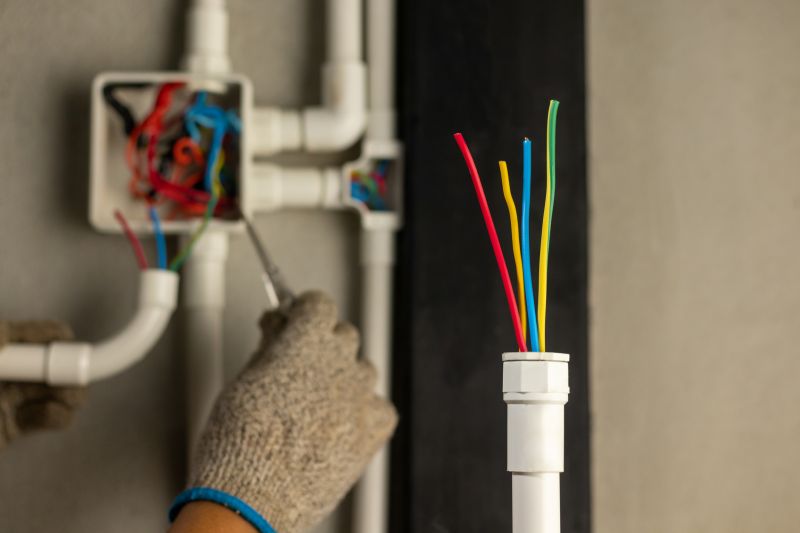
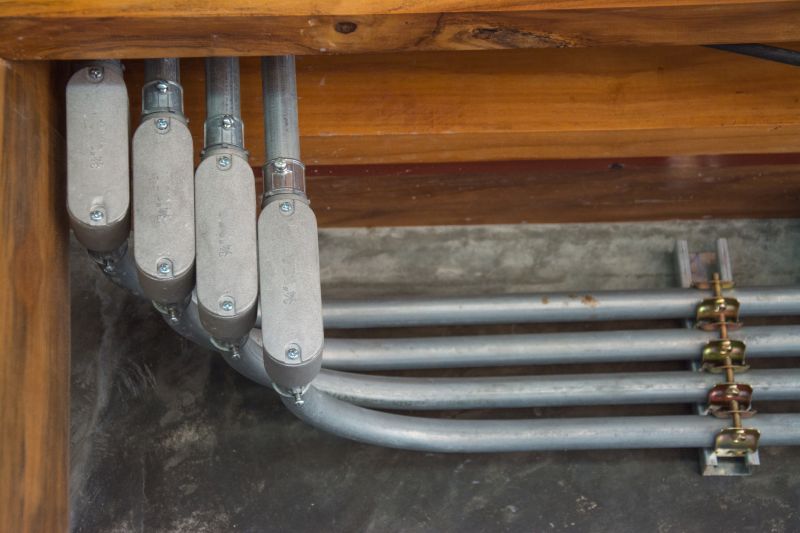
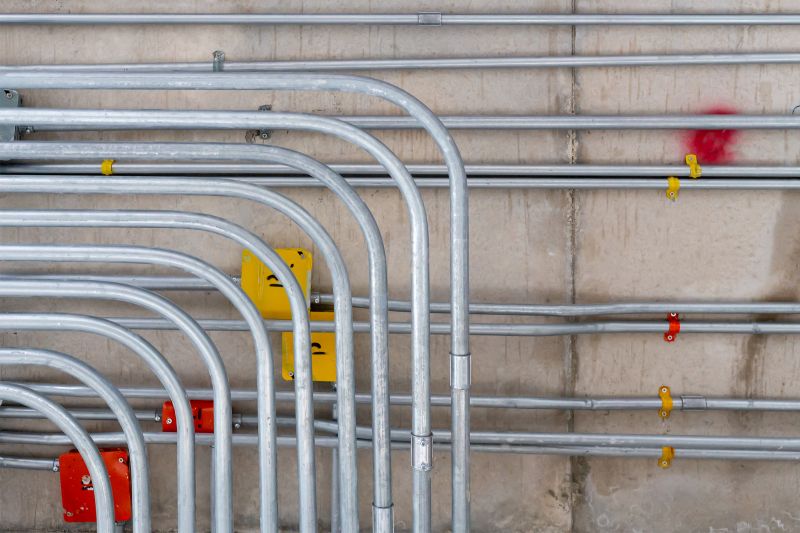
Conduit installation services involve setting up the necessary piping systems that carry electrical wiring, water, or other utilities throughout a property. Skilled contractors ensure that conduits are properly placed, secured, and protected to maintain the safety and functionality of the building’s infrastructure. This work often includes planning the conduit routes, installing the pipes within walls or underground, and connecting them to fixtures or utility sources. Proper conduit installation is essential for creating a reliable and organized system that supports the property’s electrical or plumbing needs.
Many property owners seek conduit installation to address specific problems such as outdated wiring pathways, damaged pipes, or inadequate infrastructure that can lead to safety hazards or system failures. For example, homes with old electrical systems might require new conduits to meet current safety standards or to support additional appliances. Similarly, properties experiencing frequent plumbing leaks or corrosion may benefit from new conduit runs that improve water flow and protect pipes from environmental damage. In all cases, professional conduit installation helps prevent costly repairs and ensures systems operate smoothly.
Conduit installation services are commonly used in a variety of property types, including residential homes, apartment complexes, commercial buildings, and industrial facilities. Residential properties often need conduit work during renovations, new construction, or when upgrading electrical or plumbing systems. Commercial and industrial properties, which typically have more complex utility networks, rely on professional conduit installation to maintain safety and compliance with building codes. Regardless of property size or type, experienced service providers can tailor their work to meet the specific needs of each project.
Homeowners typically consider conduit installation when building new structures, remodeling existing spaces, or replacing outdated utility lines. It is also a practical solution for properties experiencing issues like frequent electrical outages, water leaks, or corrosion in pipes. By working with local contractors, property owners can ensure that the conduit systems are installed correctly, providing long-term reliability and safety. Contacting qualified service providers can help determine the best approach for each property’s unique requirements, making conduit installation a strategic step toward maintaining a secure and efficient utility network.
The overview below groups typical Conduit Installation projects into broad ranges so you can see how smaller, mid-sized, and larger jobs often compare in your area.
In many markets, a large share of routine jobs stays in the lower and middle ranges, while only a smaller percentage of projects moves into the highest bands when the work is more complex or site conditions are harder than average.
Smaller Repairs - Typical costs for routine conduit repairs or replacements usually fall between $250 and $600. Many minor jobs in this range are common and straightforward for local contractors. Larger or more complex repairs can occasionally reach $1,000 or more.
Partial Replacement - Replacing sections of conduit generally costs between $1,000 and $3,000, depending on the length and complexity of the work. Many projects in this category stay within this range, while more extensive replacements can go higher.
Full System Installation - Installing a complete conduit system for a residential or small commercial property typically ranges from $3,500 to $8,000. Larger or more intricate installations may exceed this range, especially for multi-story or complex layouts.
Complex or Large-Scale Projects - Major conduit installation or extensive upgrades can cost $10,000 or more, depending on the scope and site conditions. These projects are less common and usually involve specialized work by experienced local contractors.
Actual totals will depend on details like access to the work area, the scope of the project, and the materials selected, so use these as general starting points rather than exact figures.
Electrical Wiring Projects - Installing complex electrical wiring systems requires skills in conduit planning, routing, and safety protocols similar to conduit installation services.
Data Cabling Installations - Running data and communication cables involves planning, conduit setup, and precise installation techniques akin to conduit setup for electrical systems.
Lighting Fixture Installations - Proper conduit routing and secure mounting are essential for safe and efficient lighting installations, paralleling conduit installation work.
Security System Wiring - Installing wiring for security cameras and alarms often involves conduit planning to protect cables and ensure reliable operation.
Electrical Panel Upgrades - Upgrading electrical panels requires routing new conduit and wiring, similar to the skills used in conduit installation projects.
Industrial Wiring Projects - Large-scale industrial wiring involves extensive conduit planning and installation to support heavy-duty electrical systems.
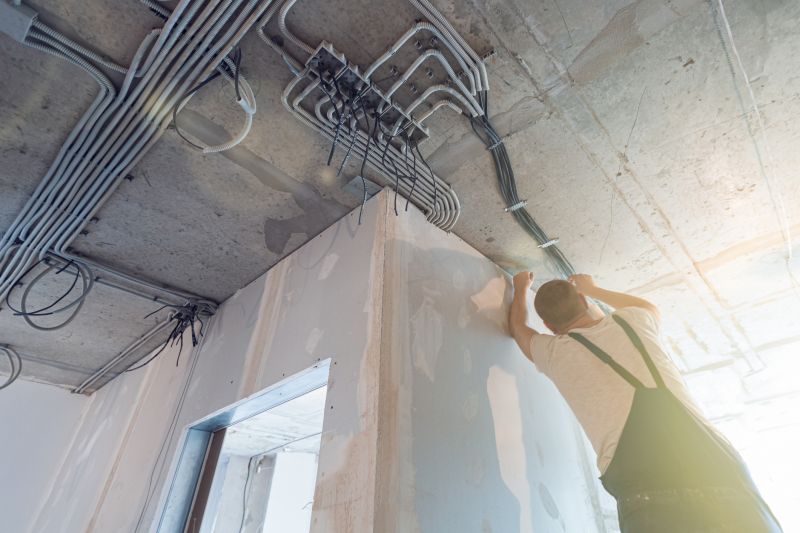
When evaluating potential service providers for conduit installation, it’s important to consider their experience with similar projects. Homeowners should seek out local contractors who have a proven track record of handling conduit installation tasks comparable in scope and complexity. An experienced professional will be familiar with common challenges and best practices, which can contribute to a smoother process and reliable results. Asking for details about past projects or examples of work can help gauge whether a contractor has the relevant background to meet specific needs.
Clear written expectations are essential to ensure that both parties are aligned on the scope of work, materials, and any other important details. Homeowners should look for providers who offer transparent communication and are willing to outline what services will be provided, what is included, and any potential limitations. Having a detailed, written understanding helps prevent misunderstandings and provides a reference point throughout the project. Service providers who prioritize clear documentation are often more reliable and easier to work with.
Reputable references and good communication are key indicators of a dependable local contractor. Homeowners should seek out service providers with positive feedback from previous clients and a reputation for professionalism. Good communication involves prompt responses, clarity, and willingness to address questions or concerns. Connecting with local pros who demonstrate these qualities can lead to a more straightforward experience and greater confidence in the installation process. It’s important to remember that the site serves as a resource to introduce homeowners to local options, not to perform the work directly.
Property owners use Conduit Installation services for practical projects around their homes and businesses. This guide focuses on everyday jobs and straightforward project options.
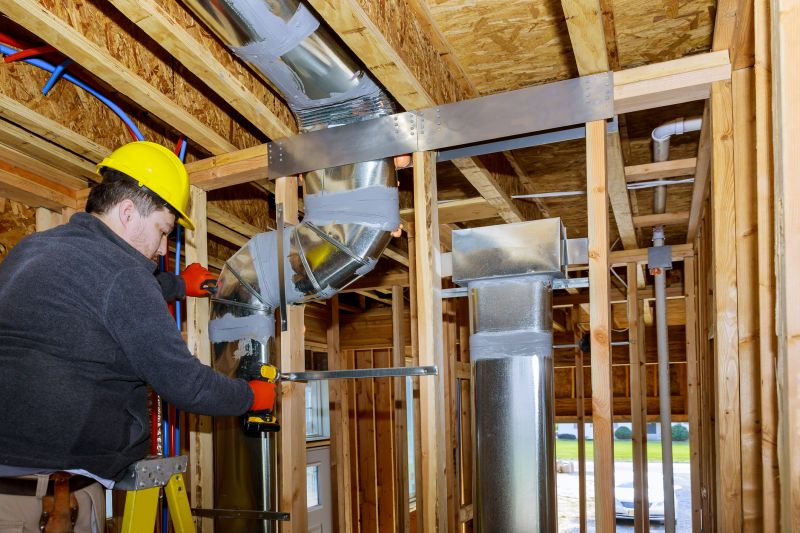
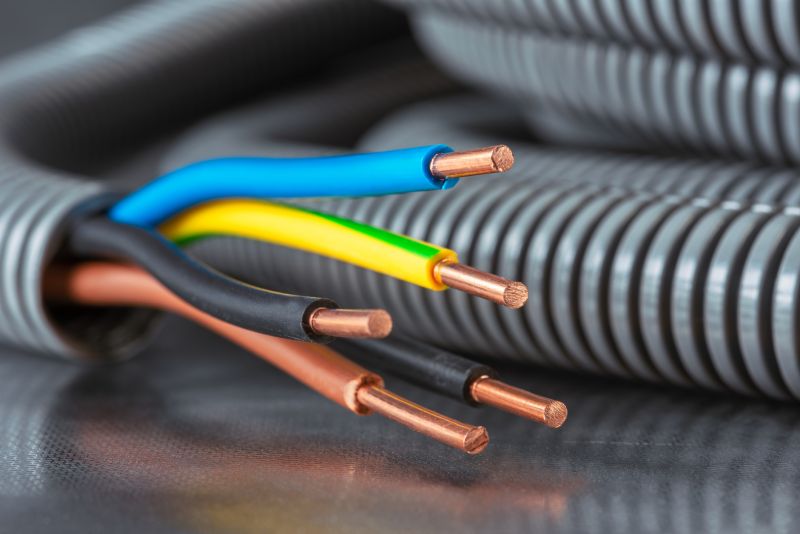
Conduit installation services are often needed when property owners are upgrading or replacing their electrical systems, especially during renovations or new construction projects. Local contractors are frequently called upon to ensure that electrical wiring is properly routed through walls, ceilings, or underground, helping to maintain safety and code compliance. Whether installing new conduits for additional outlets or replacing aging infrastructure, property owners seek reliable service providers to handle these essential tasks efficiently and accurately.
In many cases, property owners look for conduit installation to address issues like damaged wiring pathways or to prepare for future electrical expansions. Local service providers can assist with installing conduit systems that support various electrical needs, from residential homes to commercial buildings. These projects often arise from the need to improve safety, meet updated regulations, or simply ensure that electrical systems are organized and accessible for ongoing maintenance.
What is conduit installation? Conduit installation involves setting up protective tubing to route electrical wiring safely through a building or property.
Why should I consider conduit installation services? Professional conduit installation helps ensure electrical systems are organized, protected, and compliant with safety standards.
What types of conduit are commonly used? The most common types include PVC, metal (rigid or flexible), and electrical metallic tubing (EMT).
How do local contractors determine the best conduit for a project? They assess factors like the environment, wiring needs, and building codes to recommend suitable conduit options.
Can conduit installation be integrated with existing electrical systems? Yes, experienced service providers can incorporate conduit into existing setups for upgrades or repairs.
Conduit Installation for Home Renovations - Property owners planning to upgrade electrical systems during renovations can have local contractors install conduits to ensure safe and organized wiring.
Outdoor Conduit Setup for Security Systems - Installing conduits outdoors allows for secure routing of wiring for security cameras and lighting around the property perimeter.
Garage or Workshop Wiring - Conduit installation can help property owners set up reliable electrical connections in garages or workshops, protecting wiring from damage.
Adding New Circuits or Outlets - When expanding electrical capacity, local service providers can install conduits to facilitate new circuits and outlets throughout the property.
If you are thinking about Conduit Installation for a property, this guide is meant to help you understand the work, the typical project types, and how different options might fit your plans.
When you are ready, you can use the quote form on this page to share a few details about your project. From there, local pros can review the basics and respond with options that match what you have in mind.